Raises Questions




Memory & cognitive evaluation
Comprehensive memory evaluation
A physician-led review of your symptoms, medical history, medications, and daily functioning to investigate memory and thinking concerns.
Brief memory screening — Mini-Cog
A brief memory and clock-drawing assessment that helps determine whether a more detailed cognitive evaluation is needed.
Cognitive screening — MoCA
An assessment of memory, attention, language, and other thinking abilities to help identify possible cognitive changes.
Cognitive assessment — MMSE/MMSE-2
A structured evaluation of orientation, memory, attention, and language to assess cognitive function and monitor changes over time.
Family-reported cognitive changes — AD8
A short questionnaire gathering observations from someone who knows you well about changes in thinking and everyday abilities.
Dementia severity assessment — CDR
An interview with you and someone who knows you well to evaluate how cognitive changes affect everyday life.
Expanded cognitive assessment — RBANS
A detailed assessment of memory, attention, language, and visual-spatial abilities to better understand cognitive strengths and difficulties.

Daily function & well-being
Everyday function assessment — FAQ
We evaluate activities such as managing finances, preparing meals, and remembering appointments to understand your support needs.
Personal care assessment — Katz ADL
An assessment of independence with personal care activities, including bathing, dressing, eating, and using the bathroom.
Independent living assessment — Lawton-Brody IADL
We review shopping, transportation, medication management, and household tasks to identify where additional support may help.
Behavioral & emotional assessment — NPI-Q
A caregiver questionnaire assessing dementia-related behavioral symptoms and the distress they may cause.
Mood & sleep evaluation
We review mood and sleep concerns that may affect memory, thinking, and daily functioning.
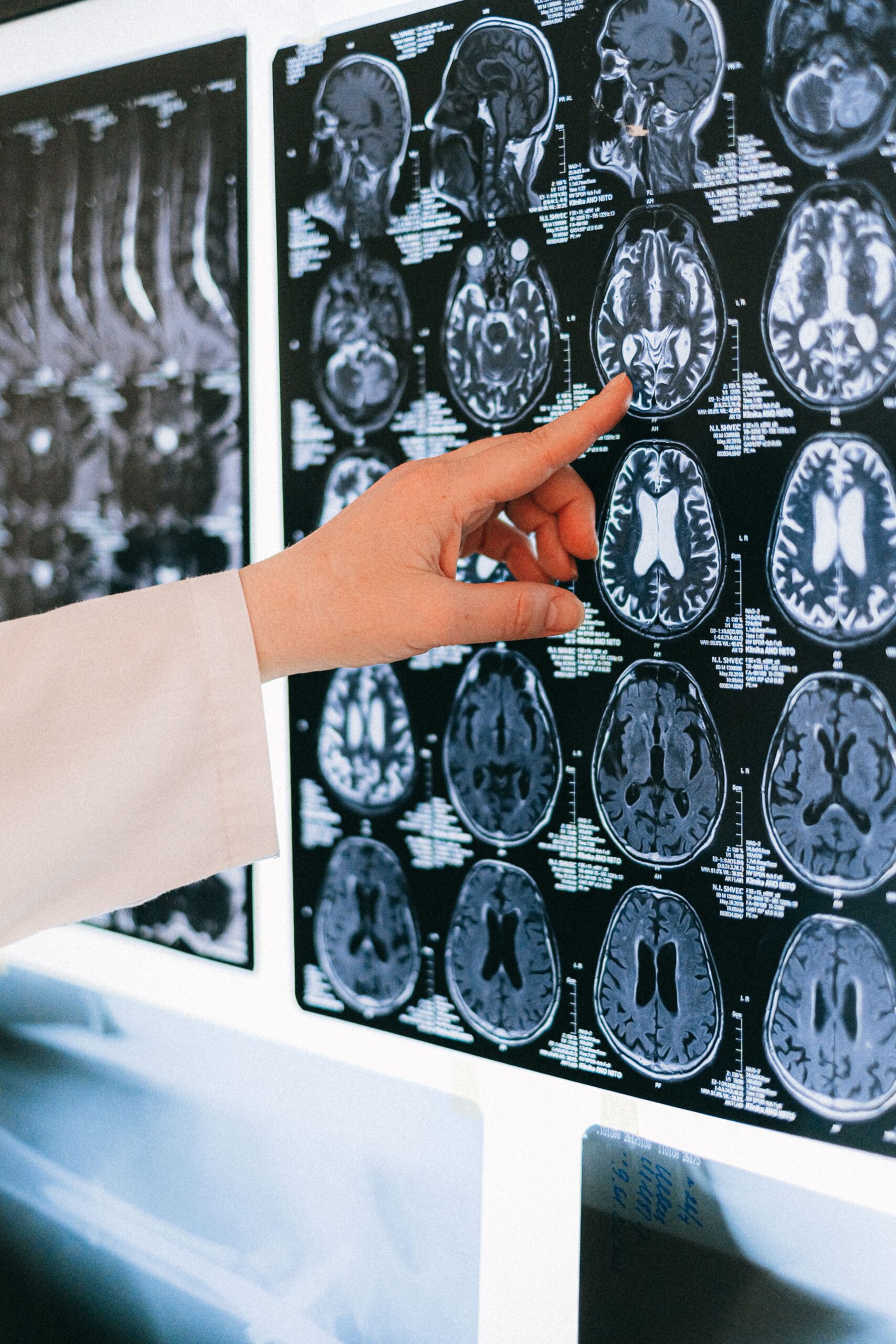
Diagnosis & testing
Evaluation of medical contributors to memory changes
We assess medical conditions and medications that may contribute to cognitive symptoms and arrange appropriate testing.
Alzheimer’s blood biomarker evaluation
When appropriate, we coordinate blood biomarker testing and interpret results as part of a comprehensive diagnostic evaluation.
Brain imaging coordination
We arrange clinically appropriate brain imaging through imaging partners and review results as part of your evaluation.
Specialized neuropsychological testing referrals
Referral for more extensive testing when additional evaluation of memory, thinking, or related abilities is needed.

Treatment & monitoring
Mild cognitive impairment evaluation & follow-up
Evaluation and monitoring of cognitive changes in people who remain largely independent in everyday activities.
Alzheimer’s disease & other dementia care
Clinical evaluation and ongoing management of dementia, with personalized recommendations for treatment, support, and follow-up.
Dementia medication management
We review treatment options, monitor benefits and side effects, and adjust medications according to individual needs.
Dementia-related behavioral symptom management
Individualized guidance and treatment for changes such as agitation, irritability, or disrupted sleep.
Cognitive & functional follow-up
Repeat evaluations help track changes in thinking and everyday abilities and guide adjustments to your care plan.

Caregiver & safety support
Diagnostic results & personalized care planning
We explain your findings and develop a care plan addressing treatment, daily needs, safety, and follow-up.
Caregiver needs assessment & support
Practical guidance to help caregivers understand cognitive changes, manage daily challenges, and access support resources.
Home safety & daily support assessment
We review safety concerns and daily routines to recommend support that promotes well-being and independence where possible.
Driving safety & supervision guidance
Individualized discussions about driving concerns, supervision needs, and when further evaluation or additional support may be appropriate.
Brain health counseling
Personalized guidance on physical activity, sleep, social engagement, and management of health conditions that may affect cognitive well-being.